Multidisciplinary research day champions science with impact
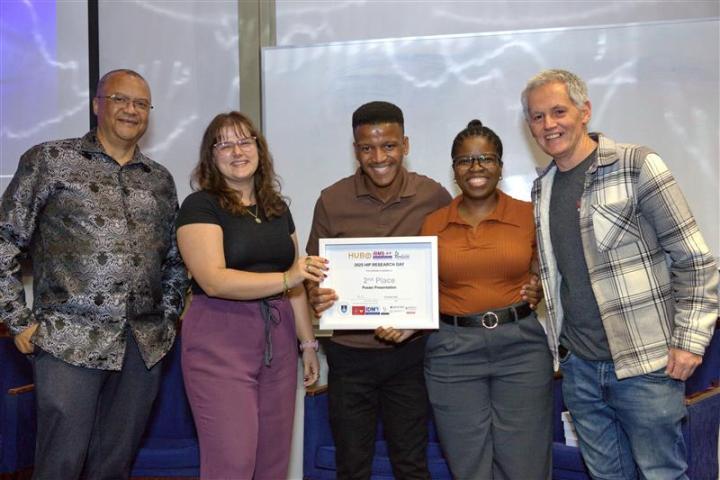
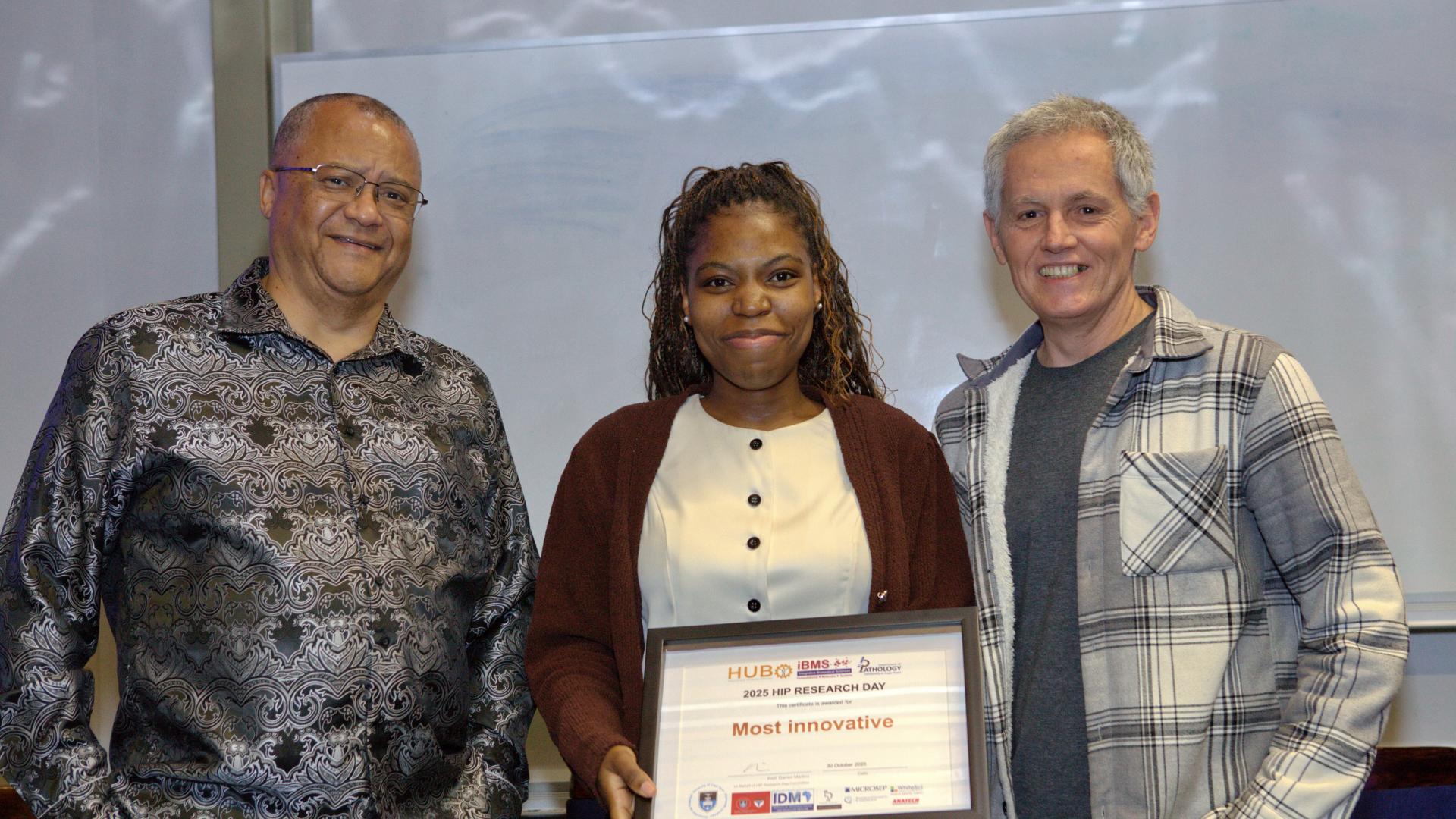
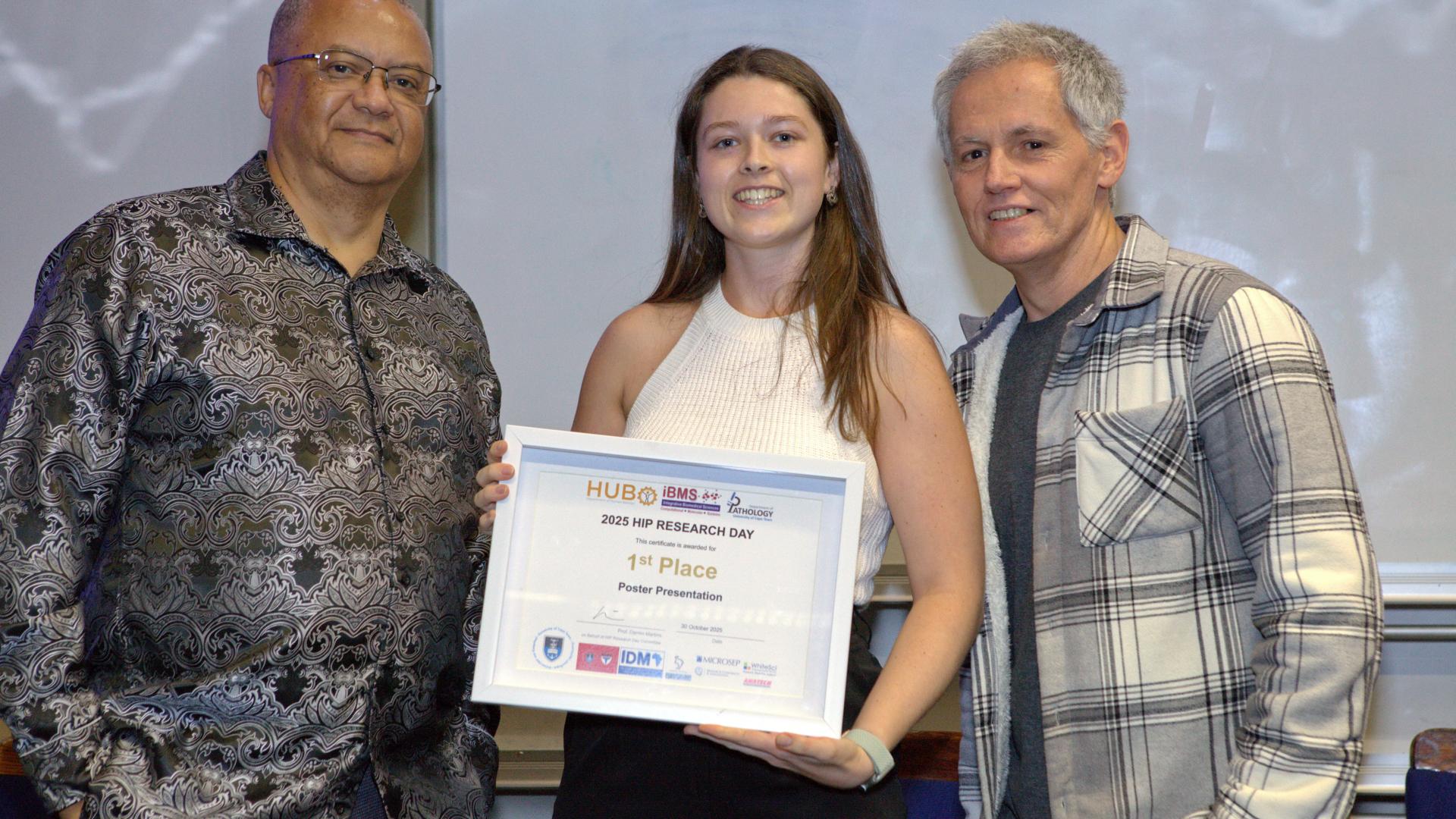
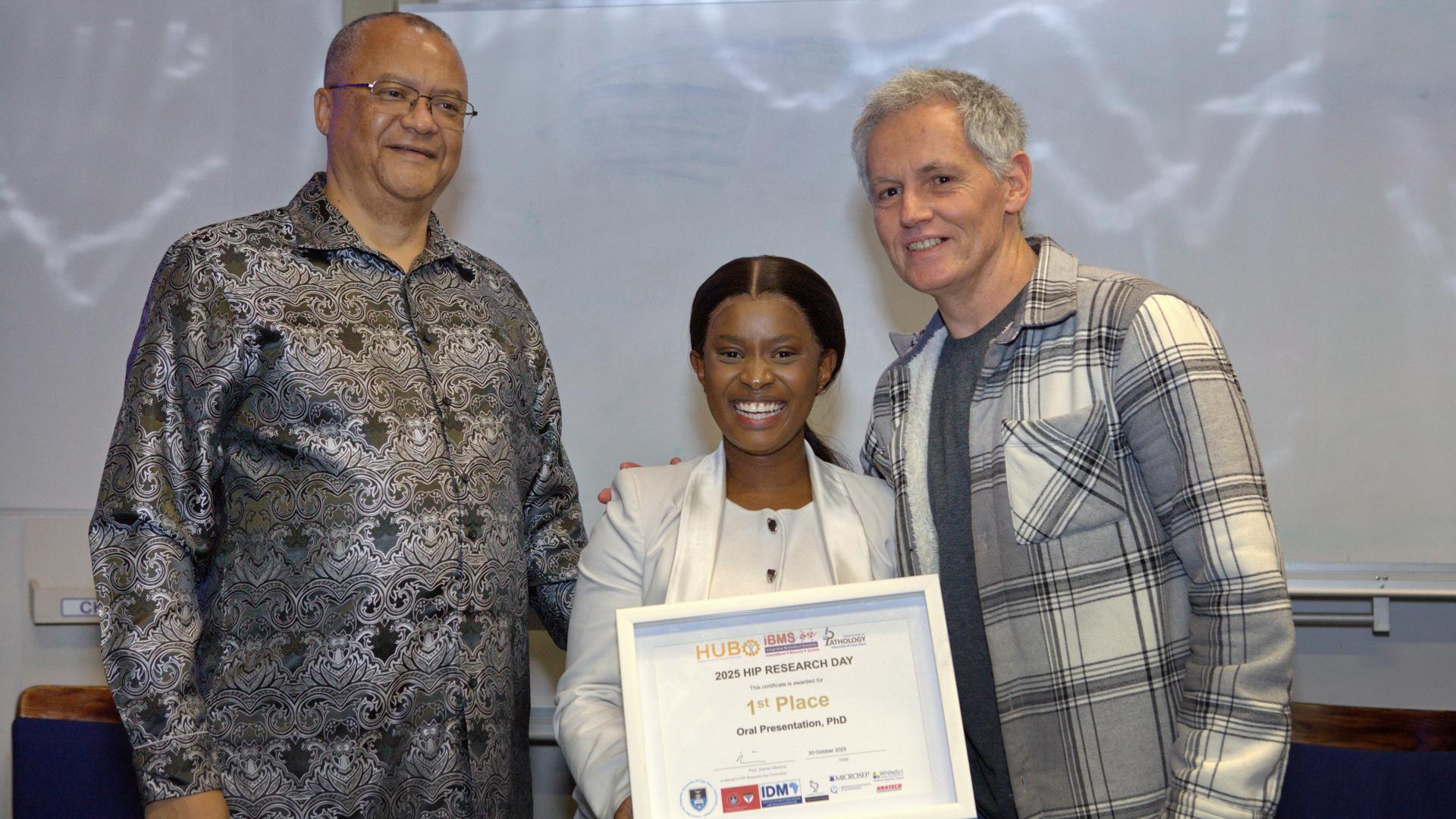
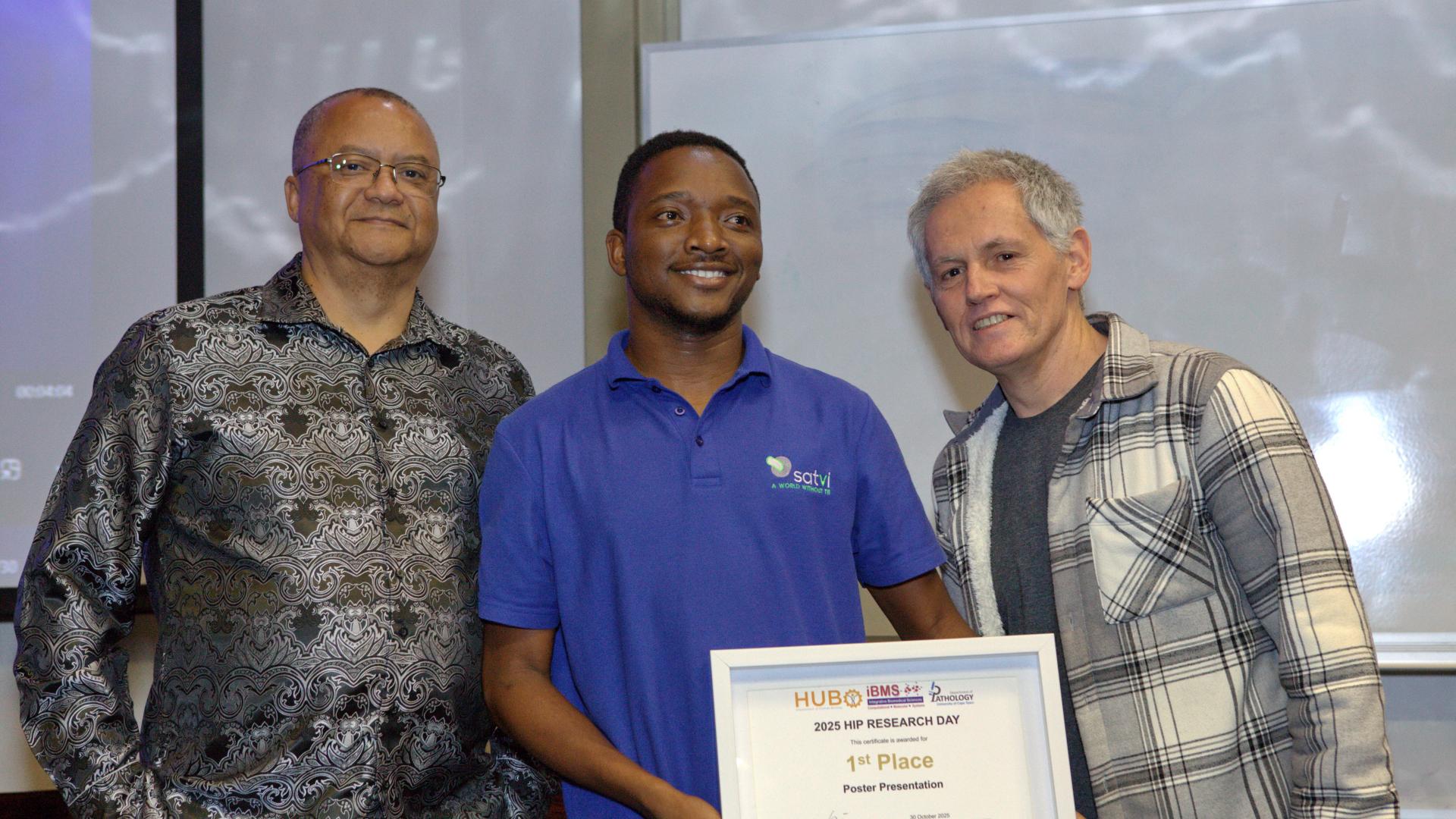
The Dean of the Faculty of Health Sciences, Professor Lionel Green-Thompson, poses with award recipients. PHOTO: Supplied
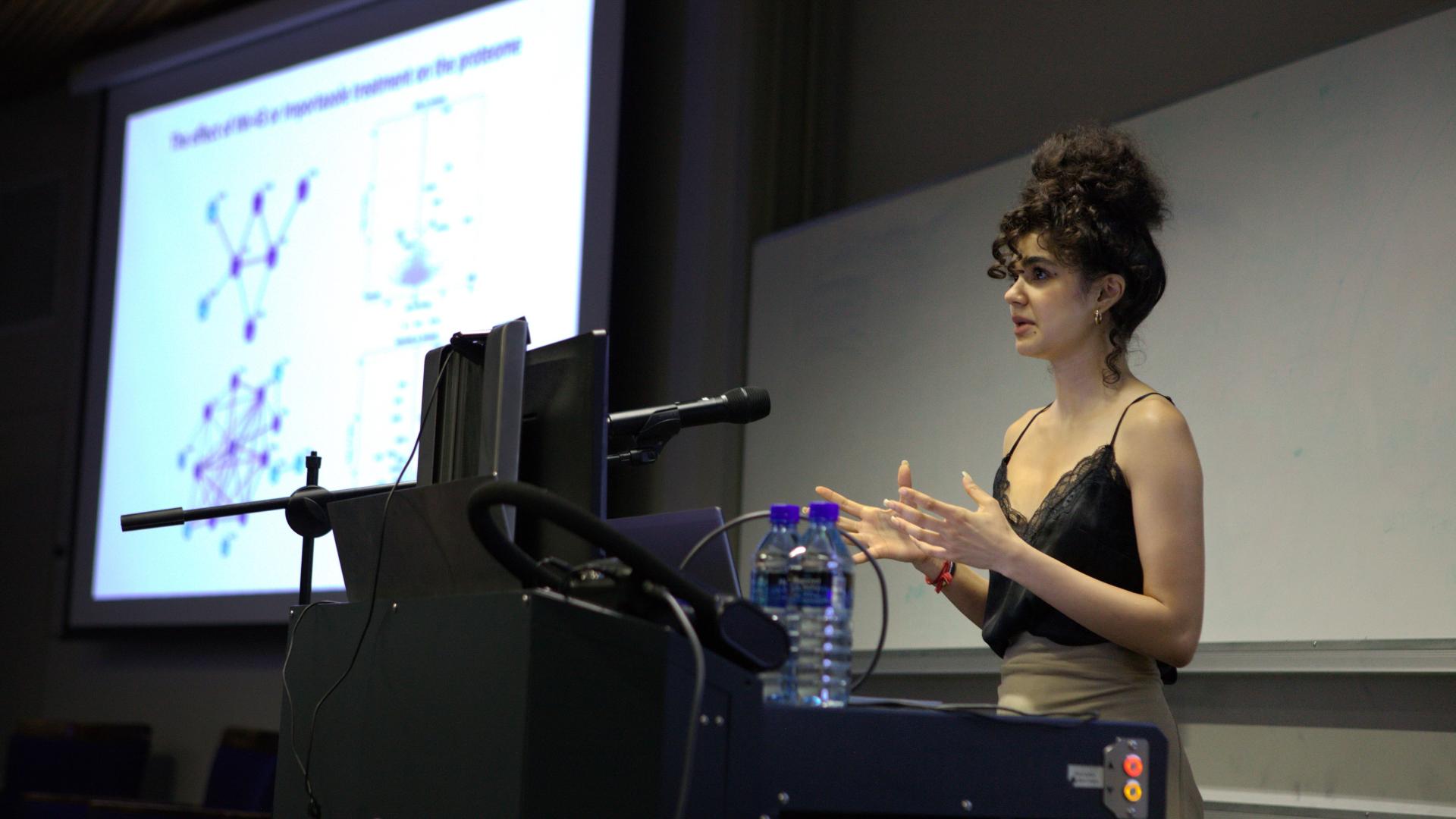
More than 200 researchers gathered in the University of Cape Town's Institute of Infectious Disease and Molecular Medicine (IDM) building in Observatory for the bi-annual HiP (Human Biology, Integrative Biomedical Sciences, and Pathology) research day on 31 October 2025. The event was hosted by the Department of Integrative Biomedical Sciences (iBMS) under the theme “From Bench to Impact: Designing Discovery with Translation in Mind", and spotlighted a growing imperative in academia: ensuring that scientific discovery is intentionally designed to deliver societal benefit.
Jointly convened by the departments of Human Biology, iBMS and Pathology, the research day has provided a platform for over 1 000 postgraduate students and early-career researchers since its inception. This year, participants engaged in a full day of presentations, dialogue and networking centred on innovation in the health sciences.
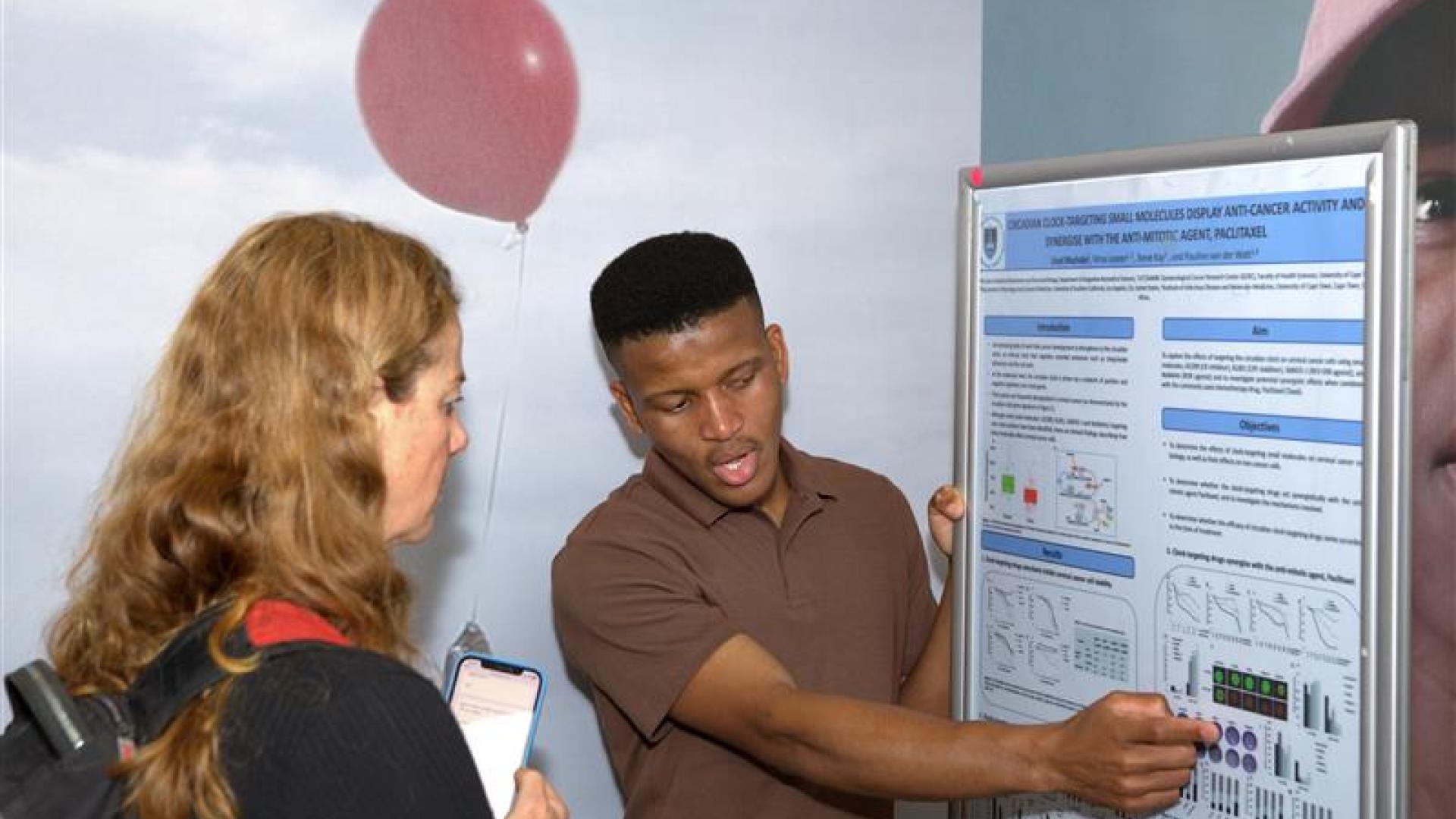
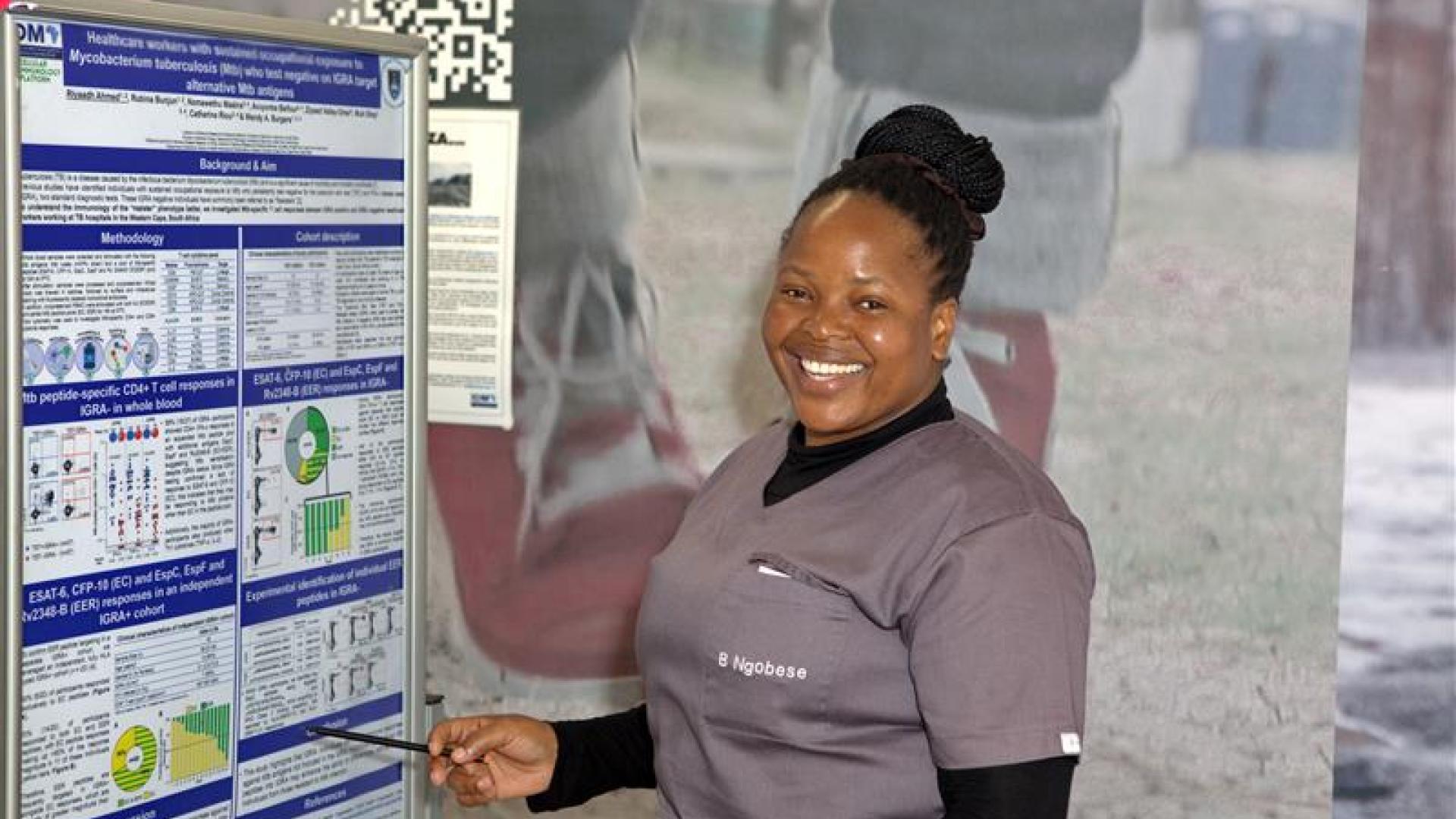
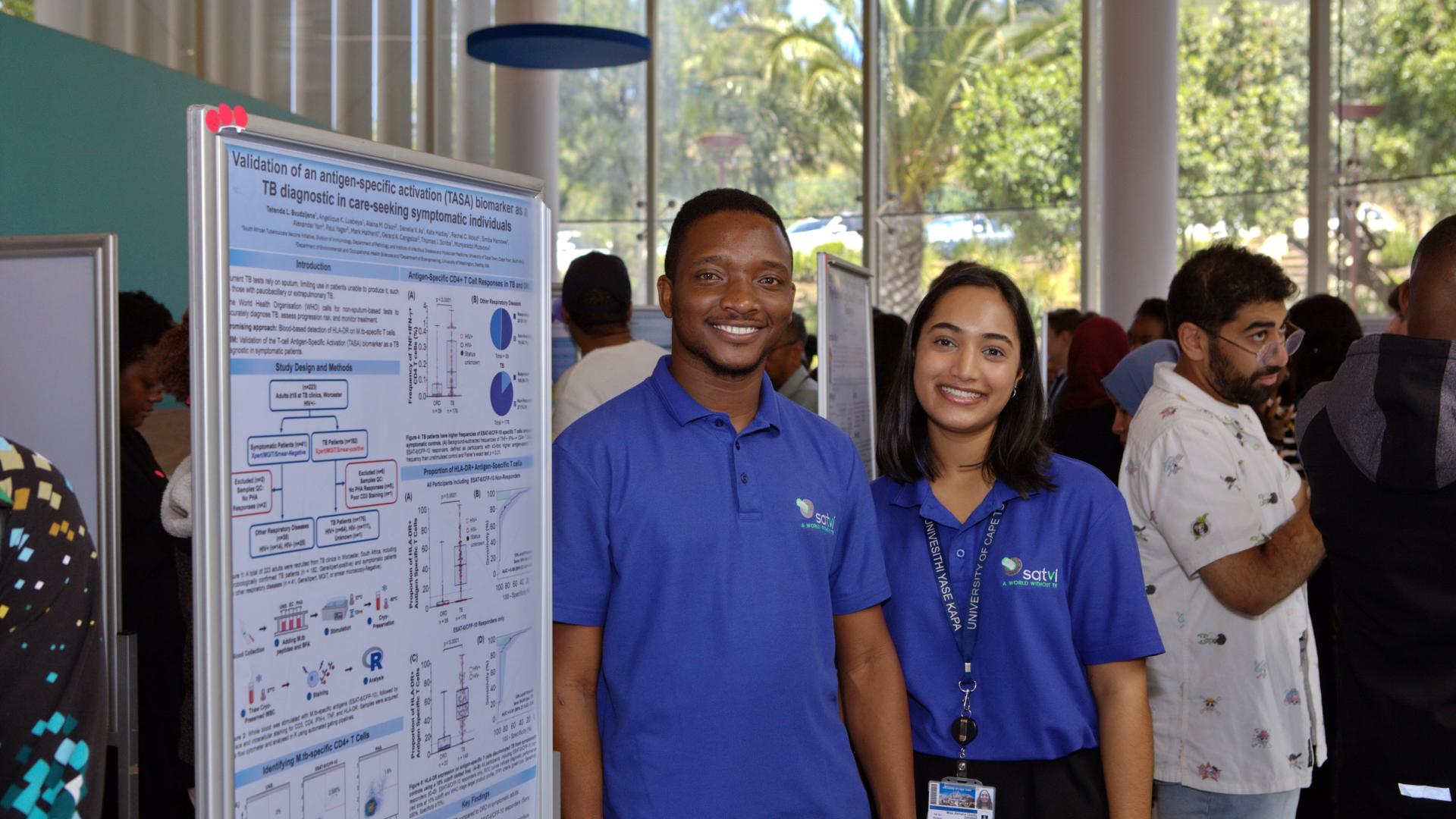
The scientific programme, selected through a rigorous peer-review process chaired by Dr Lungile Sitole (iBMS), featured oral and poster presentations showcasing impactful research across biomedical disciplines. To strengthen science communication skills and promote clarity, all posters were presented using the three-minute-thesis format. This innovation was supported by a pre-event workshop facilitated by Dr Natashia Munia from the UCT Writing Lab, aimed at equipping students with techniques to distill complex research into accessible, impactful messages.
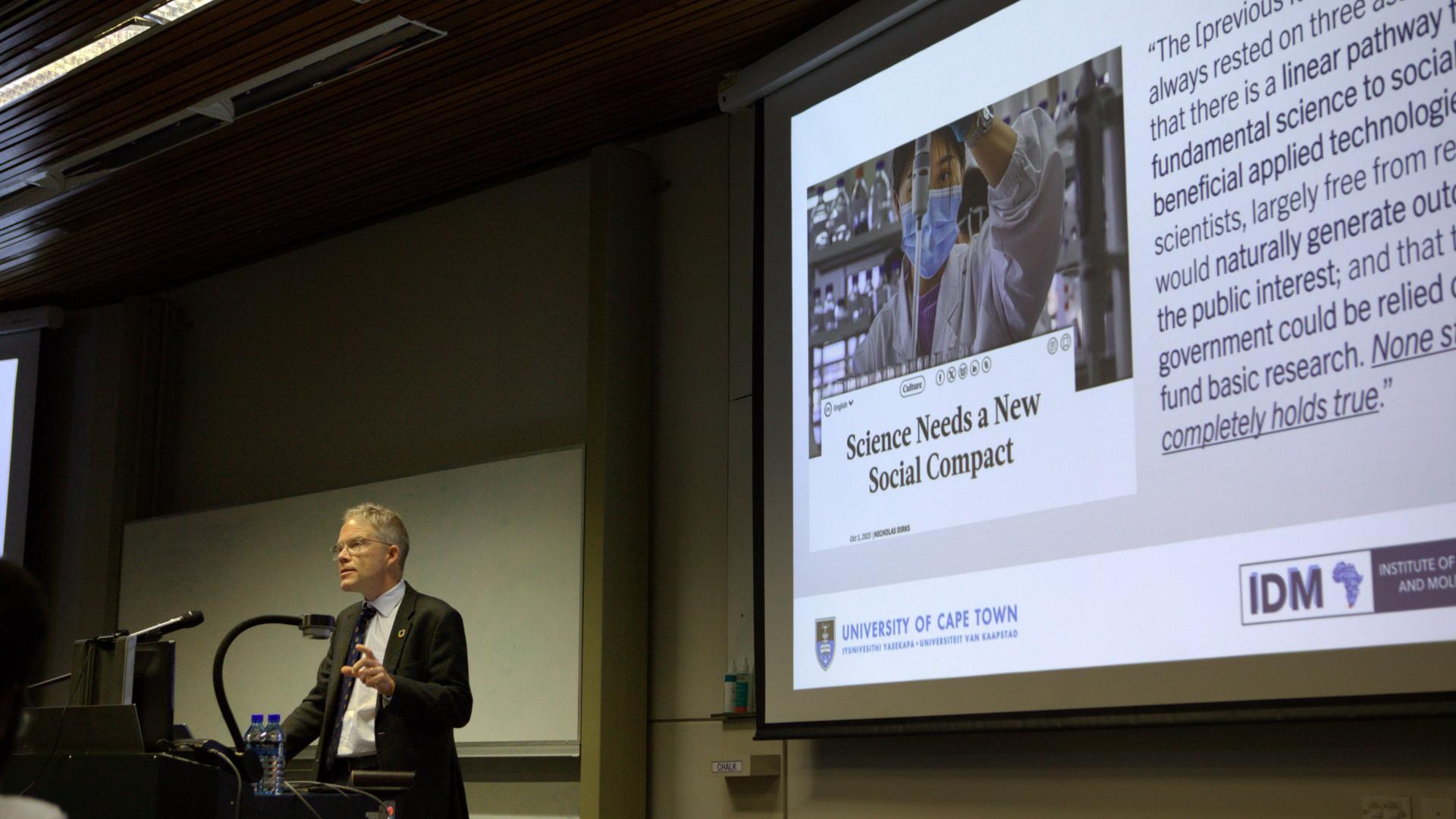
The keynote addresses brought powerful continental perspectives. The late Professor Keo Motaung, Research Chair in Entrepreneurship and Financial Inclusion at Nelson Mandela University, and Professor Collin Masimirembwa, President and CEO of the African Institute of Biomedical Science and Technology (AiBST), reaffirmed the central role of African-led innovation in solving local and global challenges. Both emphasised that academic research must move beyond publication outputs to deliver tangible impact, urging researchers to embrace contextual relevance, intellectual autonomy and translational thinking from the earliest stages of discovery.
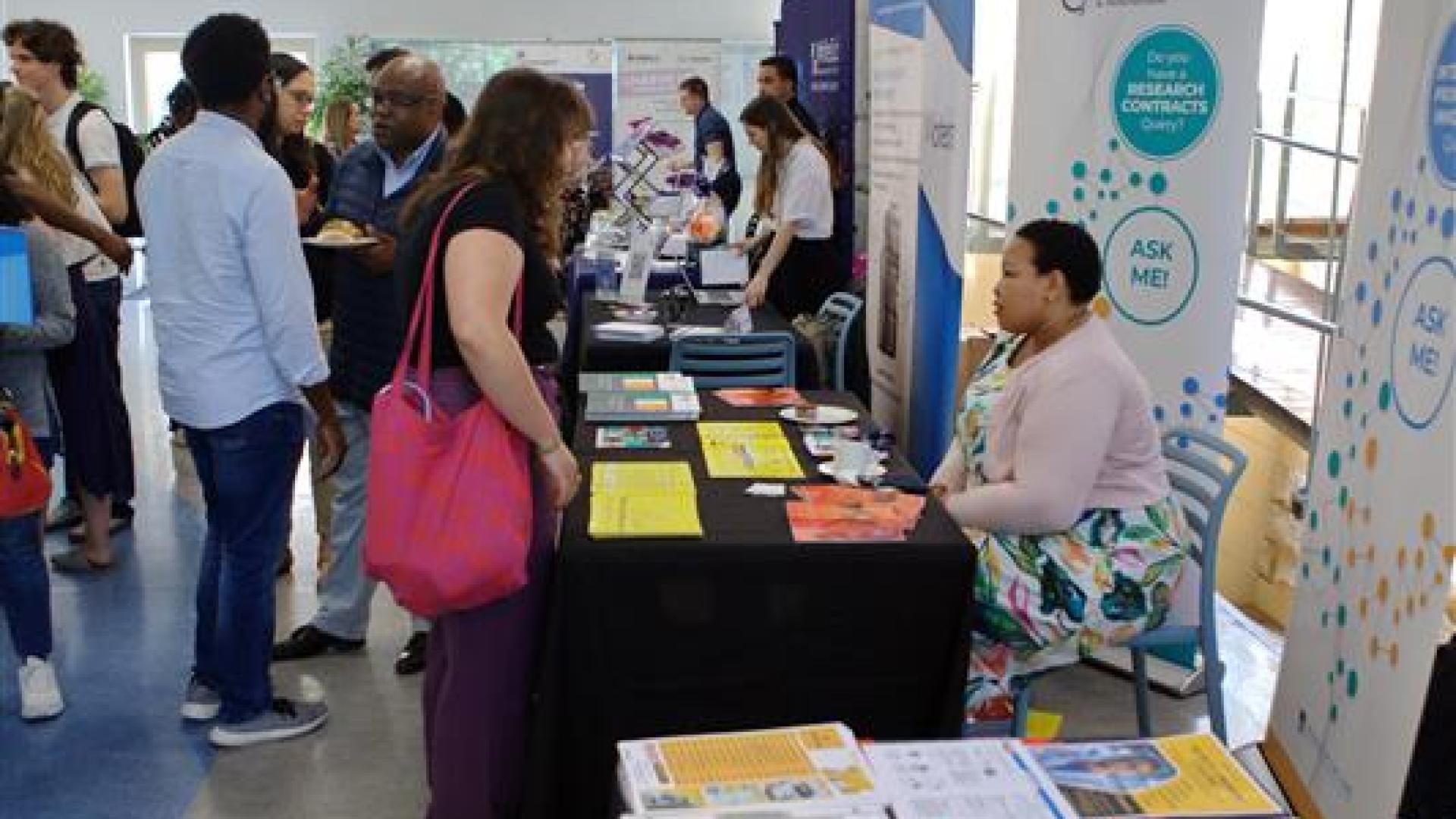
A major addition to this year’s programme was the career expo, co-created with UCT’s Research Contracts and Innovation Department. The interactive panel featured voices from entrepreneurs, intellectual property law, finance and academia, including Dr Genevieve Thompson, Dr Sarah Carroll, Dr Joanne van Hermelen, Khumo Mokone and Dr Munya Musvosvi. Moderated by Dr Bruna Galvão and Dr Bruce Maseko, the discussion illuminated practical considerations such as navigating patents, engaging with funders, de-risking early-stage research and building sustainable spinouts. The expo introduced students to diverse career pathways beyond traditional academic trajectories and highlighted the many avenues through which scientific innovation can shape society.
Institutional leadership reinforced the event’s strategic relevance. Professor Digby Warner, Director of the IDM, and Professor Lionel Green-Thompson, Dean of the Faculty of Health Sciences, framed the research day within UCT’s Vision 2030 and its prioritisation of societal impact. Their remarks underscored the value of supportive ecosystems and collaborative structures that enable translational research to thrive.
The day concluded with awards recognising excellence across oral and poster categories, as well as prizes for innovation and engagement. These acknowledgements celebrated the creativity, rigour and commitment embodied by UCT’s emerging scientists.
As the organising committee reflected, the message was clear: to meet the needs of African communities, impactful research cannot be an afterthought. It must begin at the bench.