New study shows that a pill a day can reduce HIV infection
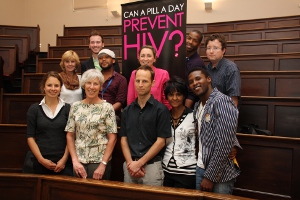
The iPrEx Study, which takes its name from the Spanish "Iniciativa Profilaxis Preexposicion" (Pre-exposure Prophylaxis Initiative), was funded by the US National Institutes of Health and the Bill & Melinda Gates Foundation, and took place from June 2007 to May 2010. It was conducted at 11 sites in six countries across four continents, with the only African site being the Desmond Tutu HIV Foundation, which is associated with the University of Cape Town's Faculty of Health Sciences, found that of the 2 499 participants, those who were adherent to the treatment regimen were 44 percent less likely to contract HIV than the equal number who had been given a placebo. "But when only the men whose blood tests showed they had taken their pill consistently every day were taken into consideration, the pill was more than 90 percent effective," said Associate Professor Bekker.
She explained that the South African section of the study consisted of 88 predominantly black and coloured homosexual men and transgender women - four percent of the total study population - who took a daily dose of oral pre-exposure prophylaxis (PrEP). The other sites were in Peru (56 percent), Ecuador (12 percent), Brazil (15 percent), the United States of America (nine percent) and Thailand (five percent).
In addition to the treatment - which consisted of a double-blind study, in which half of the participants received the PrEP pill, and the other half received a placebo - all study participants were given a comprehensive package of prevention services, designed to reduce their risk of contracting HIV infection throughout the trial and this included regular HIV tests, intensive safer sex counselling, condoms, and treatment and care for sexually transmitted diseases.
Nono Eland, of the Treatment Action Campaign said "It has been a good year for prevention research in South Africa. The country is facing more than 1 000 new infections every day and we need to find ways to reduce this number." She added that the results of this study provide "another opportunity for prevention [efforts] to actually go forward".
When asked about the availability of the drug used in the study, known commercially as Truvada, Associate Professor Bekker explained that it is readily available in the private sector in South Africa, but is not licensed as a prophylaxis. She cautioned the public against obtaining the medication and using it for this purpose without appropriate medical advice. She said that the treatment regiment had proved to be safe under "trial conditions, but there is still much to be learned". The results of the study would be one of the tools used by authorities to inform such a decision, but no decision has yet been made.
The next phase of the study is an "open label extension", which will provide all HIV-negative iPrEx participants who wish to enroll in this phase with access to the emtricitabine and tenofovir combination drug used in the original study for HIV prevention for a period of 18 months.
This study will differ from the first in two ways: all participants who choose to participate will receive and will know that they are receiving FTC/TDF PrEP; and all participants will have the information about efficacy and safety of PrEP learned in the first study. This roll-over study should provide additional information about how to improve pill-taking techniques to ensure adherence and whether people are more likely to be adherent if they are aware that the treatment has shown moderate efficacy in preventing HIV infection.