
Latest Research: Researchers identify immune markers which differentiate between Sarcoidosis and Mycobacterium Tuberculosis
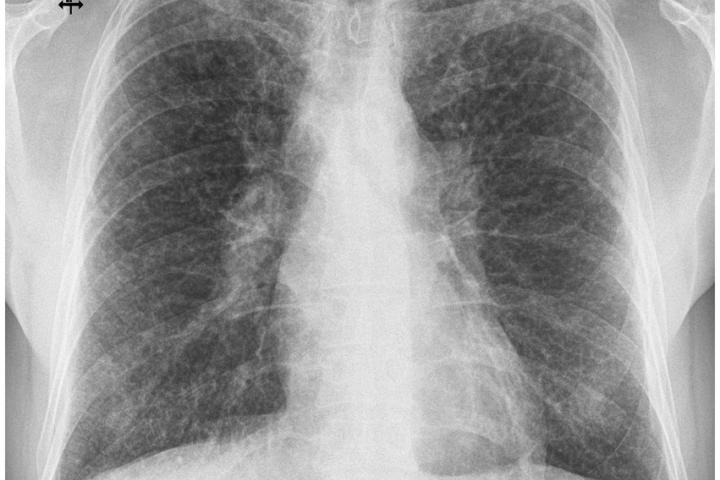
sarcoidosis-tb and TB
Professors Tom Scriba and Angelique Luabeya, together with Dr Michelle Fisher, have co‑authored a study published in the Journal of Immunology that advances understanding how the immune system responds differently to Sarcoidosis, a inflammatory disease and tuberculosis (TB). These two conditions share similar symptoms and tissue characteristics making them difficult to distinguish in clinical practice. Click here to view abstract online.

Background
Sarcoidosis is a systemic inflammatory disease which is characterised by the formation of granulomas, clusters of immune cells, which most commonly affect the human lungs. Despite decades of research, there is still no single, definitive diagnostic test for Sarcoidosis. In practice doctors rely on the process of exclusion, first ruling out other conditions which have overlapping features, particularly TB, a widespread infectious disease caused by Mycobacterium tuberculosis (M.tb).
The study
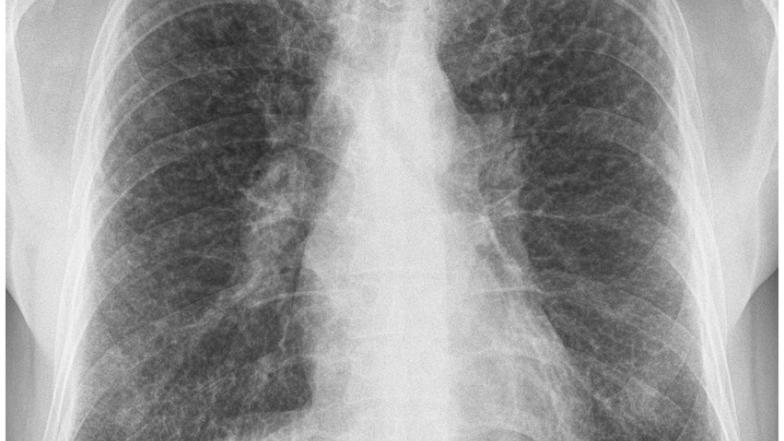
Due to the biological similarities between these two conditions, the research team set out to study whether immune responses specific to M.tb could be used to reliably distinguish Sarcoidosis from active TB disease. In this study research team hypothesised that immune “signatures” triggered by M.tb antigens would differ between patients with Sarcoidosis and those with TB.
To test this idea, the team analysed blood samples from several groups, which included (1) patients diagnosed with sarcoidosis, (2) patients with active TB disease, and (3) healthy control participants who were either sensitised or not sensitised to M.tb. The research employed advanced laboratory techniques, including flow cytometry and transcriptomic analysis, to examine T cell and monocyte responses after stimulating blood immune cells with M.tb antigens. These analyses were conducted on both bulk peripheral blood mononuclear cells (PBMCs) and sorted CD4 memory T cells.
Study findings
The study was able to show marked differences between Sarcoidosis and TB, with individuals with Sarcoidosis showing a marked reduction in the frequency of antigen-reactive T cells which respond to M.tb. In contrast, these patients displayed significantly higher frequencies of monocytes in their blood, along with increased expression of genes linked to monocyte-driven phagocytic activity.
These immune patterns clearly separated Sarcoidosis from TB and from healthy individuals. When the researchers combined M.tb peptide–specific T cell signatures with monocyte-related gene expression or flow cytometry markers, they achieved a high level of diagnostic accuracy. The combined signatures distinguished Sarcoidosis from TB disease with an area under the curve (AUC) of 0.91 using gene expression data and 0.96 using flow cytometry data. Similar accuracy was observed when sarcoidosis patients were compared with both M.tb-sensitized and non-sensitized healthy controls.
Implications
These findings highlight fundamental biological differences in how the immune system responds in Sarcoidosis when compared with TB. Importantly, the results point toward the possibility of developing a more precise, immune-based diagnostic test for Sarcoidosis, something currently lacking in clinical practice.
Such a test could have significant implications, particularly in regions where TB is common and misdiagnosis can lead to inappropriate treatment. The authors suggest that further validation of these immune signatures could pave the way for an optimised diagnostic approach, reducing uncertainty and improving outcomes for patients suspected of having Sarcoidosis.