
What do we mean by OER?

OERs stand for Open Educational Resources, which are freely accessible educational materials that can be copied, used, adapted, and shared. These resources can include textbooks, curricula, lecture notes, assignments, videos, and more, and are typically shared under open licenses like Creative Commons. They promote equitable access to education by reducing costs for students and providing educators with adaptable, up-to-date materials.
At UCT, OER began with the Cape Town Open Education Declaration in 2007 alongside sponsorship from the Hewlett Foundation. The institutional philosophy for sharing created a Community of Practice that opened up all the scholarly disciplines in a collective effort for expanding knowledge production and publication in an open and transparent manner. The OpenUCT repository encourages the publication, use and re-use of resources. To assist in finding open resources, both UCT libraries and OER Africa offer guidance. The Health Sciences Faculty (HSF) has led the way in terms of OER outputs, with some resources indicating views and downloads reaching millions of people globally.

Why do we promote OER?
For creators / authors of OER For consumers of OER
Philanthropism, generosity of time and expertise “not needing to reinvent the wheel”
Assistance in all OER matters is offered by the E-Learning Division in the Education Development Unit to any faculty staff., including:
Creating new material as OER
Converting existing material to publish as OER. This process could include selecting the appropriate Creative Commons licence and adding that licence to the resources such as images, videos, full presentations, and other material.
Finding appropriate replacements for any material that is restricted by current copyright limitations or negotiating for permission for its use.
What is the broader OER context in Africa and beyond?
Research on Open Educational Resources for Development (ROER4D) project
Examples:
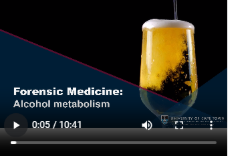 Forensic Medicine - Alcohol Metabolism by Celeste de Waal
Teaching and Learning for Obstetrics and Gynaecology by Chivaugn Gordon
Human Movement Studies for Occupational Therapists by Helen Buchanan