Lancet Global Health: A blood test to find those at high risk of tuberculosis in people living with HIV.

The Lancet Global Health journal reports the findings of a study of a host blood test that can find those at high risk of tuberculosis in people living with HIV. The blood mRNA biomarker differentiated between people living with HIV who had active tuberculosis from those without TB, and predicted which individuals would develop TB within 15 months.
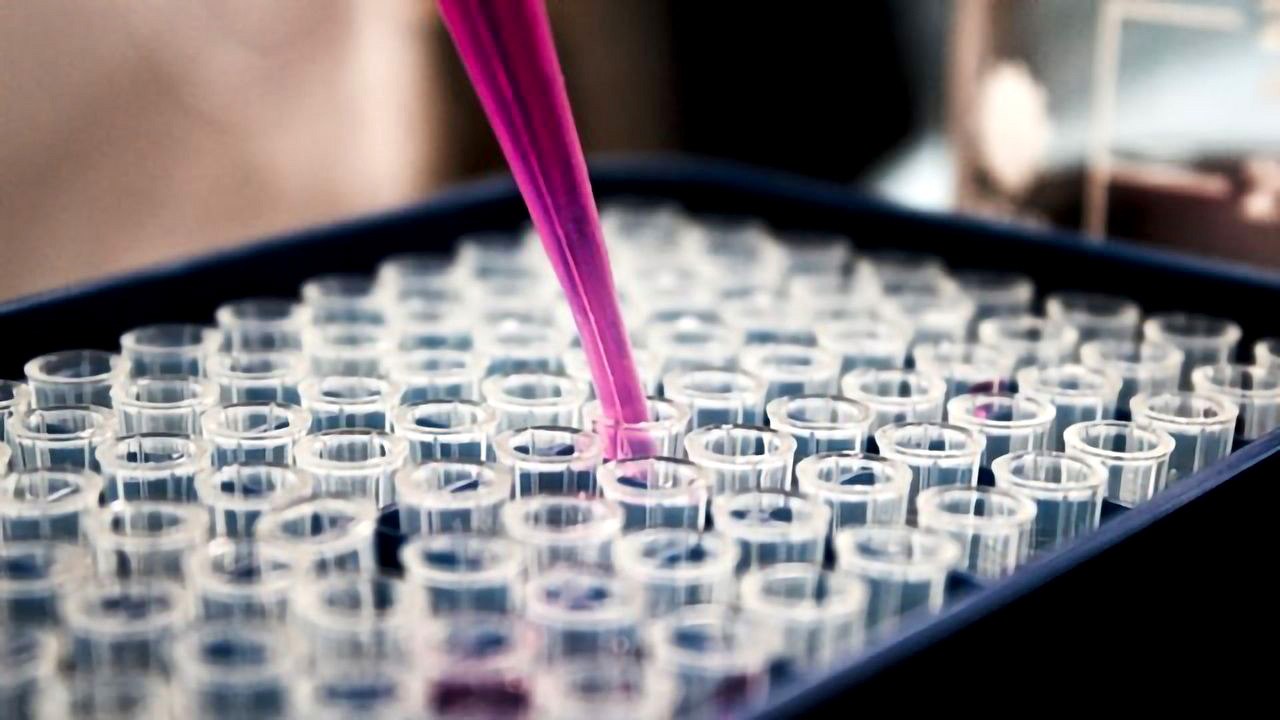
14 April 2021: Researchers from the South African Tuberculosis Vaccine Initiative at the University of Cape Town, the Aurum Institute, the Centre for the AIDS Programme of Research in South Africa, Stellenbosch University, the London School of Hygiene and Tropical Medicine and the Fred Hutchinson Cancer Research Center have published the results from a study of a blood-based RNA biomarker which tested diagnostic and prognostic performance for tuberculosis (TB) in people living with HIV in The Lancet Global Health journal.
Almost a quarter of the world’s population is estimated to be infected with the bacterium (M. tuberculosis) responsible for TB disease. Importantly, only 5-10% of people with the infection are at risk of progression to TB disease and would benefit from antibiotic treatment. Existing tests for M. tuberculosis infection (the tuberculin skin test [TST] or interferon gamma release assay [IGRA]) would result in considerable over-treatment with preventive therapy. Traditional TB symptom screening would miss the majority of undiagnosed TB in people living with HIV in community settings, as the majority of early TB is asymptomatic. The repercussions of a missed TB diagnosis in people living with HIV are potentially catastrophic: severe illness, hospitalisation, long-term lung damage, and death. A delayed diagnosis could also potentially allow onward transmission of TB to family members and close contacts.
These results bring us one step closer to a TB blood test for use at point of care to guide curative and preventive TB therapy for people living with HIV”
Prof. Mark Hatherill.
This publication advances the development of a point-of care blood test with which health practitioners could accurately identify people at risk of TB disease, who would then require confirmatory diagnostic testing and treatment, or others who are likely to progress from M. tuberculosis infection to active TB disease and make it possible to apply available TB preventive antibiotic regimens selectively to those who are most likely to benefit in communities.
“These promising results are similar to those seen in a trial of the RISK11 biomarker in HIV-uninfected persons. They highlight the importance of finding people with undiagnosed, subclinical TB.
Prof. Tom Scriba, SATVI
The research team set out to test the diagnostic and prognostic performance of a blood-based RNA biomarker of TB risk (RISK11) in people living with HIV. The study was conducted between 2017 and 2019 across five distinct geographic communities across South Africa.
Current South African guidelines advocate 12 months of universal isoniazid preventive therapy for people living with HIV who have not yet received TB preventive therapy, irrespective of M. tuberculosis infection status. This study suggests that an RNA biomarker of TB risk, such as RISK11, might be more specific in determining need for targeted preventive therapy for people living with HIV. Two-thirds of the 38 million people living with HIV worldwide are on antiretroviral therapy and, with the advent of well tolerated and effective short-course TB preventive regimens, annual or semi-annual community-based testing of people living with HIV might be useful to monitor risk of progression to TB and target those likely to benefit from repeat courses of preventive therapy.
Additional resources:
- View abstract online. Click here.
- Download media release. Click here.