
IL-25 in a central role in immunity to chronic helminth infection
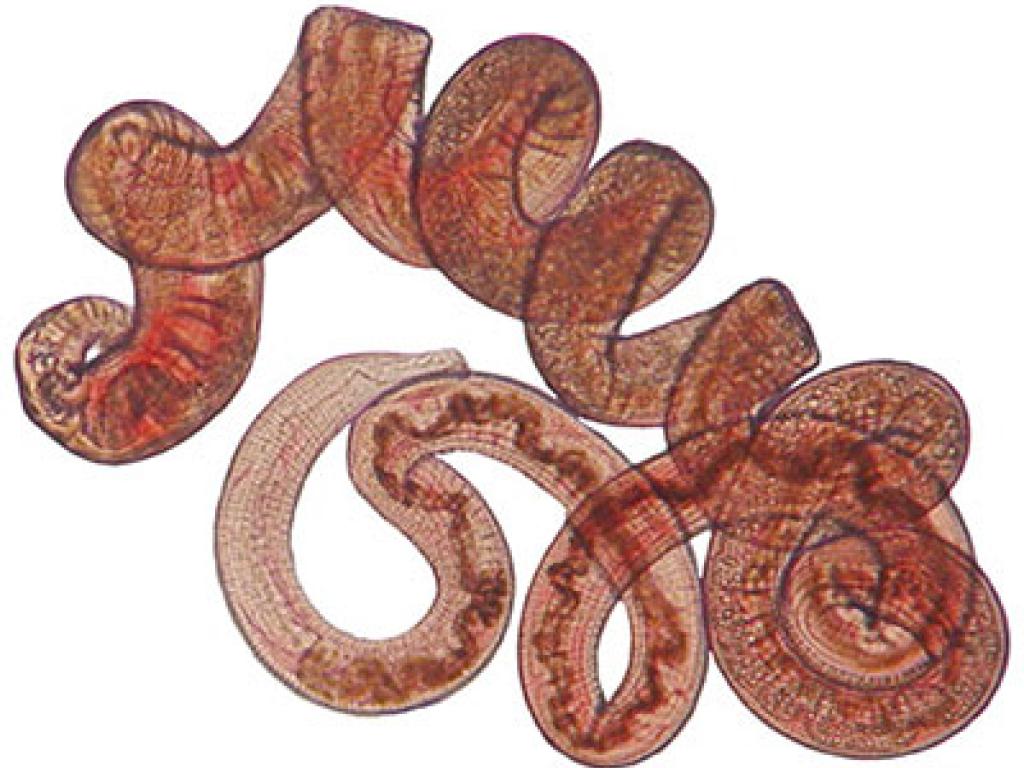
Katie and her co-authors investigated Interleukin 25 (IL-25), a major ’alarmin’ cytokine capable of initiating and amplifying the type 2 immune response to helminth parasites, and its role in the later effector phase of clearing chronic infection. The study found that the IL-25R is not required for generation of a sufficient type 2 immune response to a helminth infection. However, it is required for late effector responses to fully resolve a chronic infection. Macrophages and eosinophils are activated following IL-25 administration and the induction of IL-13 expression in macrophages is what likely at drives the suite of intestinal epithelial mechanisms that lead to helminth expulsion.
The researchers could also “clearly demonstrate an enhancement in macrophage alternative activation, which plays a critical role in nematode immobilisation and killing and suggest that ILC2s may be redundant in driving IL- 25R-dependent immunity to chronic helminth infection.” This suggests that IL-25 plays the central role of mobilising innate effector cells other than ILCs, in an IL-4/13-abundant environment, to protect against chronic gastrointestinal helminth infection.
Further study will allow researchers to establish the range of responsive cells and their role in coordinating helminth immunity.
Read the paper - Concerted IL-25R and IL-4Ra signalling drive innate type 2 effector immunity for optimal helminth expulsion
Article by Bonamy Holtak