MARC SE-Africa, a UCT-led Consortium, Drives Adoption of First Regional Plan to Tackle Malaria Drug Resistance in East Africa
On 9 May 2025, the 25th Ordinary Meeting of the EAC Sectoral Council of Ministers of Health formally endorsed the Regional Detailed Action Plan for Responding to Antimalarial Drug Resistance in East Africa. The creation of the action plan was led by MARC SE-Africa, a UCT-led consortium.

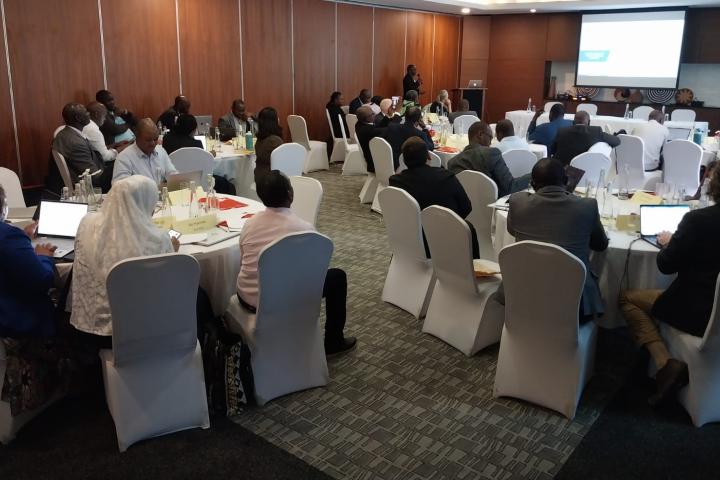
Stakeholders driving the development of the EAC Action Plan on Antimalarial Resistance, led by the University of Cape Town and MARC SE-Africa, in partnership with the EAC RBM Secretariat. Participants include the EAC National Malaria Programmes, the Global Fund, the Presidents Malaria Initiative, the Clinton Health Access Initiative, and Medicines for Malaria Venture
On 9 May 2025, 25th Ordinary Meeting of the EAC Sectoral Council of Ministers of Health formally endorsed the Regional Detailed Action Plan for Responding to Antimalarial Drug Resistance in East Africa. This milestone decision marks a major step toward more coordinated and effective malaria case management in one of the most burdened regions in the world. The action plan lays critical groundwork for coordinated, evidence-based, regional responses to the growing threat of drug resistant malaria, which has recently also been detected in southern Africa.
A United Front Against Malaria Drug Resistance
The action plan was developed through a collaborative effort led by the University of Cape Town (UCT) the Mitigating Antimalarial Resistance Consortium in South-East Africa (MARC SE-Africa), in close partnership with the EAC Roll Back Malaria Secretariat, led by Dr Michael Katende. This inclusive process involved National Malaria Programmes from all EAC member states and their partners, as well as leading global health institutions such as the Global Fund, the President’s Malaria Initiative, the Clinton Health Access Initiative, the African Leaders Malaria Alliance and Medicines for Malaria Venture. At a time when many African countries face sharp reductions in external public health funding, this initiative signals the urgency and strength of a united regional response against this growing threat. By generating solutions from within the continent and combining technical and political leadership across borders, African institutions are taking charge of safeguarding malaria treatment for the future.
“This is a landmark achievement,” said Dr Stephanie van Wyk, senior researcher at UCT and technical advisor within the consortium. “This endorsement reflects the potential realised when scientific evidence, political will, and regional solidarity converge. UCT remains committed to fostering solutions that not only assist our East African neighbours but also provide a template for responses to drug resistant malaria in other African regions. By enhancing case management and proactively addressing resistance challenges through regional collaboration, we contribute to safeguarding the effectiveness of antimalarial treatments throughout the endemic regions of Southern Africa.
Research-Driven Plan to Tackle Malaria Resistance
By synthesising the latest evidence on resistance patterns and treatment efficacy, the UCT-led team partnered with the East African Community to support the consensus-based development of the first regional roadmap of its kind. The plan outlines specific priorities for optimised treatment policies, and supply chain management to address the growing threat of drug-resistant Plasmodium falciparum, particularly resistance to artemisinin-based combination therapies (ACTs), the cornerstone of malaria treatment.
Professor Karen Barnes, lead of MARC SE-Africa and coordinator of the initiative at UCT, emphasised the significance of this decision:
“Malaria knows no borders, and neither should our response. This consensus-based regional action plan demonstrates the power of multinational collaboration in tackling drug-resistant malaria. Now is the critical moment for East African nations and international partners to commit to sustained action and ensure effective malaria treatment remains available for millions at risk.”
A Regional Response for Millions at Risk
Over 300 million people, more than 80% of the EAC region’s population, live at risk of malaria. The growing threat of drug-resistance calls for urgent, regionally coherent strategies to preserve treatment efficacy and prevent reversal of substantial reductions in malaria cases and deaths since ACTs were introduced. The action plan provides such a framework, summarises current evidence on drug-resistance in the region, and outlines evidence-based short and medium-term interventions to tackle this threat.
The initiative comes at a time of declining international funding for malaria control, reinforcing the need for African-led solutions. Through this effort, East Africa demonstrates regional leadership and a commitment to protecting gains made in malaria control.
Background
The MARC SE-Africa consortium, coordinated by the University of Cape Town (UCT), works to strengthen evidence generation and data sharing on antimalarial resistance in South and East Africa. The consortium engages directly with National Malaria Programmes and implementing partners to ensure findings inform real-time programmatic decisions. The project (Grant Agreement Number 101103076) is supported by the Global Health EDCTP3 Joint Undertaking and its members.
Key Resources
Antimalarial Drug Resistance Profile for East Africa: https://tinyurl.com/5xh378ux
Regional Detailed Action Plan for Responding to Antimalarial Drug Resistance in East Africa: https://tinyurl.com/4c7r3kn4
Collaborative process summary: https://tinyurl.com/33ehcv3e
MARC SE-Africa website: https://www.marcse-africa.org/
https://www.health.go.ke/kenya-chairs-25th-ordinary-meeting-eac-sectoral-council-ministers-health