
Long COVID Syndrome, Mortality and Morbidity in Patients Hospitalized with COVID-19 From 16 Countries: The World Heart Federation Global COVID-19 Study

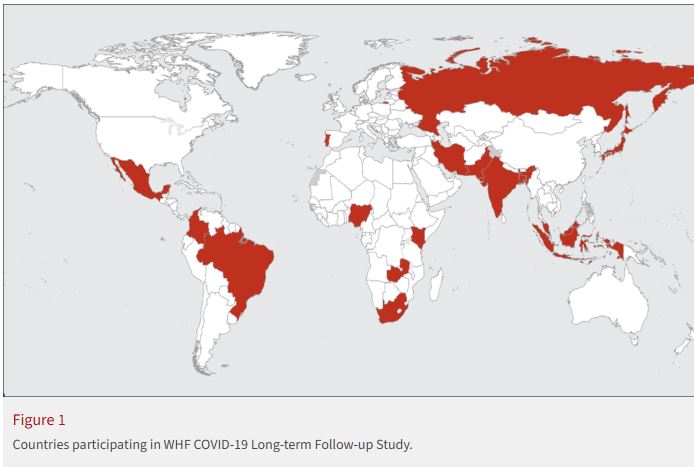
The World Heart Federation Global COVID-19 Study: Long COVID Syndrome, Mortality and Morbidity in Patients Hospitalized with COVID-19 From 16 Countries, led by Prof Karen Sliwa in conjunction with the World Heart Federation, has been published.
Long-term adverse consequences of the COVID-19 infection affect many organ systems, which requires comprehensive understanding of the disease burden and determinants of persistent long COVID-19 symptoms in a diverse population. However, data on long COVID complications are sparse, particularly from low- and middle-income countries (LMICs). The World Heart Federation (WHF) global study assessed the incidence of vascular complications, persistent long COVID symptoms and factors associated with mortality and major adverse cardiovascular events (MACE)among patients with COVID-19 up to one year after hospitalization.
The data from a global study involving the majority of patients from low- and middle-income countries showed a high burden of persistent long COVID symptoms among hospitalized COVID-19 patients. The study provides large-scale and long-term observational data concerning the so-called milder variant – Omicron, and from LMICs, as the majority had tested positive for the Omicron COVID-19 strain. After hospital discharge, this population still presents a substantial mortality and morbidity rate, with approximately a quarter of patients reporting at least one persistent long COVID symptom after a year. This also emphasizes that healthcare providers should be empathetic to patients presenting with long-term symptoms such as fatigue, anxiety, and breathlessness. The study underscores the importance of early identification, treatment, and management of long COVID symptoms and future research should focus on assessing the value of targeted screening for long COVID complications among high-risk COVID-19 patients and plan management strategies for the long COVID condition, particularly in low- and middle-income countries. Read the full paper on the link