
Peripartum cardiomyopathy

Prof Karen Sliwa, with colleagues from Germany, Mozambique, Iraq, Israel and the UK, has published an invited REVIEW & Opinion article for the prestigious journal, THE LANCET.
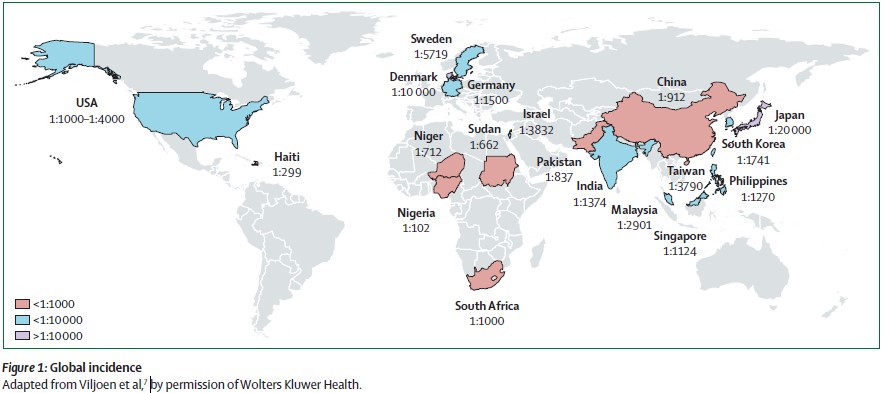
The article highlights that peripartum cardiomyopathy (PPCM)—a serious heart condition that occurs towards the end of pregnancy or in the months after delivery—is now increasingly recognised and diagnosed worldwide across all ethnic groups. Over the past two decades, major progress has been made in understanding this disease, including its underlying mechanisms, genetic links, and disease-specific treatments. The authors emphasise that PPCM should be suspected in any woman presenting with heart failure symptoms late in pregnancy or soon after childbirth, and that diagnosis requires confirmation of reduced heart function (ejection fraction <45%) while excluding other potential causes.
The review summarises the latest insights into the genetics, diagnosis, and management of PPCM, and introduces a new risk score to help predict recovery and guide counselling for future pregnancies.
In their conclusion, the authors stress that PPCM remains a global cause of significant maternal illness and death, often due to delayed diagnosis. They note that the condition contributes substantially to both early and late postpartum mortality. Advances in treatment—including the use of bromocriptine alongside standard heart failure therapy—offer hope, though more research is needed, such as ongoing studies in the USA and Europe. Genetic testing is also recommended for women with a family history of heart disease.
Despite progress, key questions remain about disease mechanisms, treatment, and long-term outcomes. The authors call for greater global awareness and research to improve early detection and survival for mothers affected by peripartum cardiomyopathy. Read the full paper on the link.