Data Sharing
COIN leads ethical data sharing of African genetic variants, addressing underrepresentation in global repositories and advancing equitable genomic medicine.

Data sharing is a cornerstone of genomic medicine, allowing discoveries made in one lab or population group to inform clinical and research practice globally. It ensures that genetic findings are transparent, reproducible and collectively interpretable. Important aspects in a field where collaboration accelerates diagnosis and discovery. Within the COIN unit, data sharing bridges research and clinical care, transforming variant interpretation and patient outcomes into a shared global knowledge.
Data sharing involves submitting interpreted variants, de-identified patient data and supporting evidence to freely accessible, public databases such as ClinVar. These shared resources allow laboratories worldwide to compare findings, resolve conflicting interpretations and refine our collective understanding of genetic disease. For African populations, who remain significantly underrepresented in such databases, data sharing is an act of equity.
At COIN, we prioritize ethical, transparent and African-led data sharing. Our submissions include carefully curated variants from patients with neurological disorders, contextualized using local frequency data and regional expertise. Each submission represents a collaborative effort between counsellors, scientists and clinicians to ensure that African data are visible and beneficial to both local and global research communities.
Genomic data from African populations remains vastly underrepresented in global repositories. The absence perpetuates inequities; variants of African origin are often misclassified or labelled as “uncertain”, affecting diagnosis and clinical decision-making. Data sharing initiatives led from Africa can shift this narrative by ensuring that locally generated genomic data informs global standards.
COIN’s work emphasizes responsible and equitable data sharing, grounded in informed consent and patient understanding. In July 2025, we launched the first African ClinVar Submission Drive in collaboration with the ClinVar team. This workshop aimed to expand the visibility of African genomic data but also demonstrated the capacity of African laboratories to lead in global data stewardship.
By embedding data sharing into every stage of research, from consent to publication, COIN models how African institutions can lead globally connected genomic work.
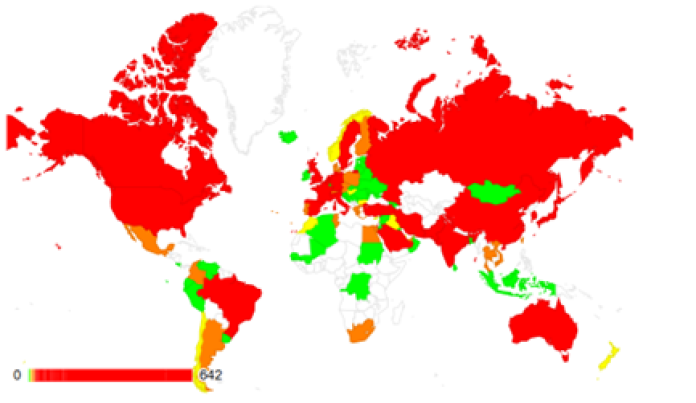
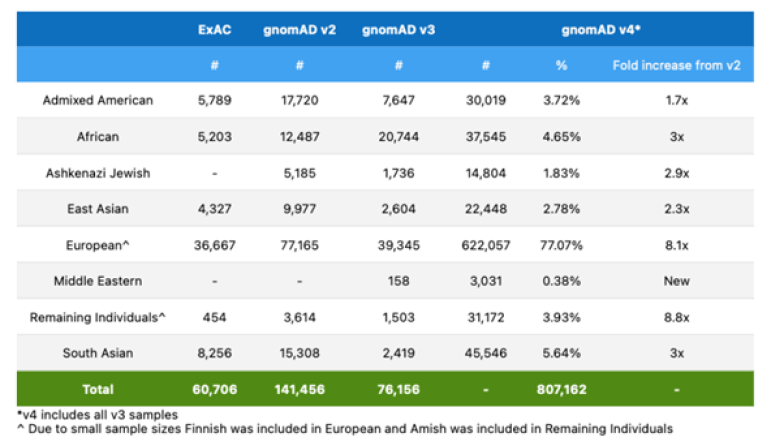
Our next phase focuses on building a sustainable African data sharing network that links multiple hospitals, ensuring continuous contribution to global databases. This network will also enable data-driven patient matchmaking, helping connect individuals with similar genetic variants or clinical presentations to improve diagnosis, research and care. By strengthening these connections, we aim to shape a more equitably genomic future, where African data can inform, enrich and redefine global reference standards.