This is our Africa
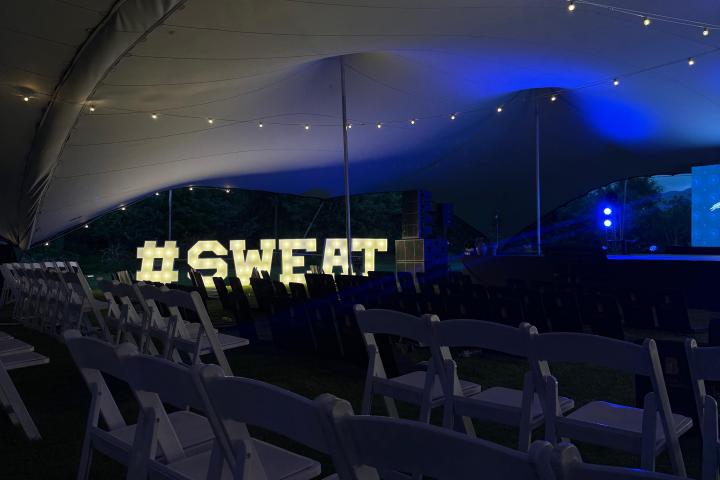
Sweat Africa 2026
One week after the inaugural SWEAT Africa Tech Event of 2026, a community accelerator that brings together students, founders, investors, and ecosystem builders for learning and collaboration, I am still inspired by the energy, brilliance, vision, and action. If there is one thing this experience reinforced, it is that Africa is not lacking in innovation. The ideas are here. The talent is here. The passion is here. What is missing is guidance, exposure, and collaboration to move those ideas toward scalable and impactful solutions. This is something SWEAT Africa opened doors for.
Here are some of my key takeaways. African innovators are designing with an understanding of African needs. Not just flashy innovations, but solutions grounded in a clear understanding of why they should enter the market. When solutions are built by people who live the challenges, even if it is by association or by seriously considering community voices, the results are more relevant and sustainable. The event also underscored the importance of exposure. Knowing what is possible broadens our sense of what we can create, and what was clear throughout the two days is that mentorship is available, and there are people willing to help and guide; we have to put our ideas and ourselves forward. I often think that "closed mouths do not get fed" may sound negative, but at its core, it reminds us that we must make our needs known to receive help—even if it's not guaranteed.
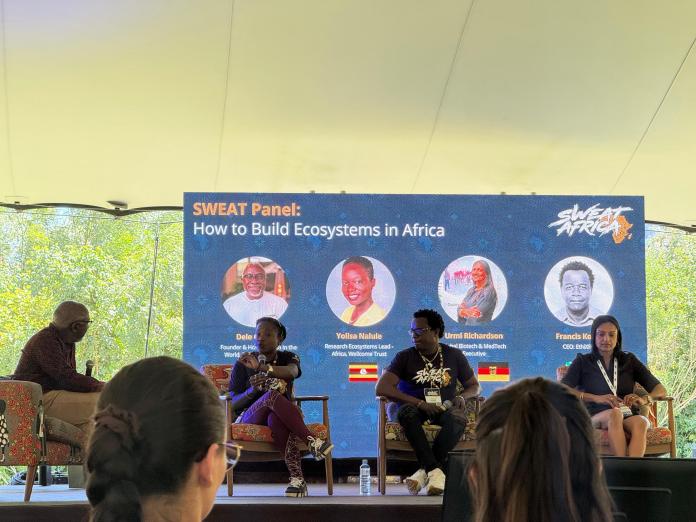
As a researcher in healthcare, I was unsurprisingly drawn to discussions on health and climate change. These are interconnected fields, requiring solutions grounded in African contexts. Among the innovations showcased, one that stayed with me was the work of Nanopula, a South African startup developing technologies that remove carbon and immobilise harmful environmental ions. While their focus is not specifically maternal and foetal health, their work made me think about the broader concept of planetary health and how research has already shown that reducing environmental toxins can meaningfully improve maternal and child health outcomes, including preventing neurodevelopmental disorders. It was a powerful reminder of how climate solutions ripple into healthcare and the potential in cross-sector collaborations to strengthen Africa’s future. They demonstrated not only potential but a move towards the vision of a better, healthier world, and what is possible when brilliance is given opportunities to thrive.
Money matters—that is the reality. Navigating the financial landscape, be it in academia or in entrepreneurship, has its complexities. Hearing from experts across the funding ecosystem—research foundations, funding agencies, and venture capitalists—on how to navigate and harness financial opportunities was equally important.
For students and young innovators, I cannot encourage you enough to keep an eye out and attend events like this. They open your eyes to possibilities and provide networking opportunities that may be relevant to your professional growth. Being is such spaces can be transformative.
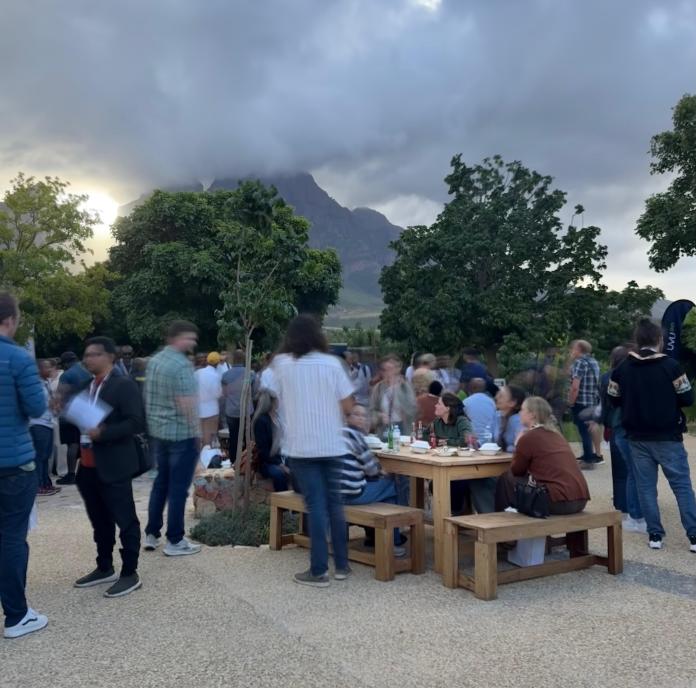
Finally, I want to commend individuals who work tirelessly behind the scenes to make gatherings like this possible. Creating spaces for African innovation to thrive is incredibly important work. Thank you to the SWEAT Africa team for this event and Science for Africa Foundation for sponsoring my attendance. It was an exciting learning space. I met brilliant people and made amazing professional connections. And what a lekker way to spend valentines 2026!
I could write much more about this powerful event, but more importantly, I intend to take these lessons forward and embed them into my own work , particularly by designing my research with a clear path toward translation, and by actively pursuing collaborations with innovators and organisations I now know are equipped to support the movement ideas from concept to real-world implementation.
Many of us are after the same goal: contributing to a thriving Africa. I remain enthusiastic and hopeful that we are slowly beginning to realise it. Here's to an Africa that continues to build, create, and innovate.